

Throughout today's visually influenced world, food photography has become an important element for participating audiences and increasing culinary experiences. Whether a professional shooter, a food doodlekit, or perhaps a restaurant operator, understanding what makes food photography truly endure out can drastically enhance your ability to capture the substance of flavor. With the right techniques and an eye for enticing pictures, you could transform a simple meal into a mouthwatering work of genius.
In terms of evaluating food photography, there are many key elements that can turn an regular image into the stunning visual meal. From the interplay of light and shadow to the particular careful arrangement associated with ingredients, mastering these kinds of components will not only support you take much better pictures but can also let you appreciate the craft of others. This guide can explore the essential qualities of top quality food photography, giving insights into just what you should look for to ensure every shot is a special event of culinary art.
Vital Elements of Food Photography
When exploring the essential elements involving food photography, light takes center stage. Normal light, in special, brings out typically the rich colors and even textures of food, making it seem more appetizing. Gentle, diffused light is the most suitable, as it decreases harsh shadows in addition to highlights, allowing typically the subject to glow without overwhelming the viewer. Take notice of the time of day; taking pictures during golden hours can add a comfortable, inviting glow in order to your images.
Composition is definitely another key ingredient that can increase food photography to stunning levels. The particular arrangement of food for the plate, typically the use of negative space, and the angle from which in turn you shoot can all significantly effects the final effect. Experimenting with different perspectives, such while overhead shots or perhaps close-ups, enables you to get what best features the dish. Integrating props and factors that complement the particular food also can put depth and interest to your photos.
Feel is crucial found in making food photography mouthwatering. Capturing the details of the dish, such since the creamy feel of a spices or the crispiness involving a crust, has viewers to practically taste the food through the photograph. Using a superficial depth of discipline can help focus in the most attractive aspects of the food while blurring the background, creating some sort of sense of closeness and drawing typically the viewer's awareness of typically the delicious details of which matter most.
Identifying Good quality in Food Photography
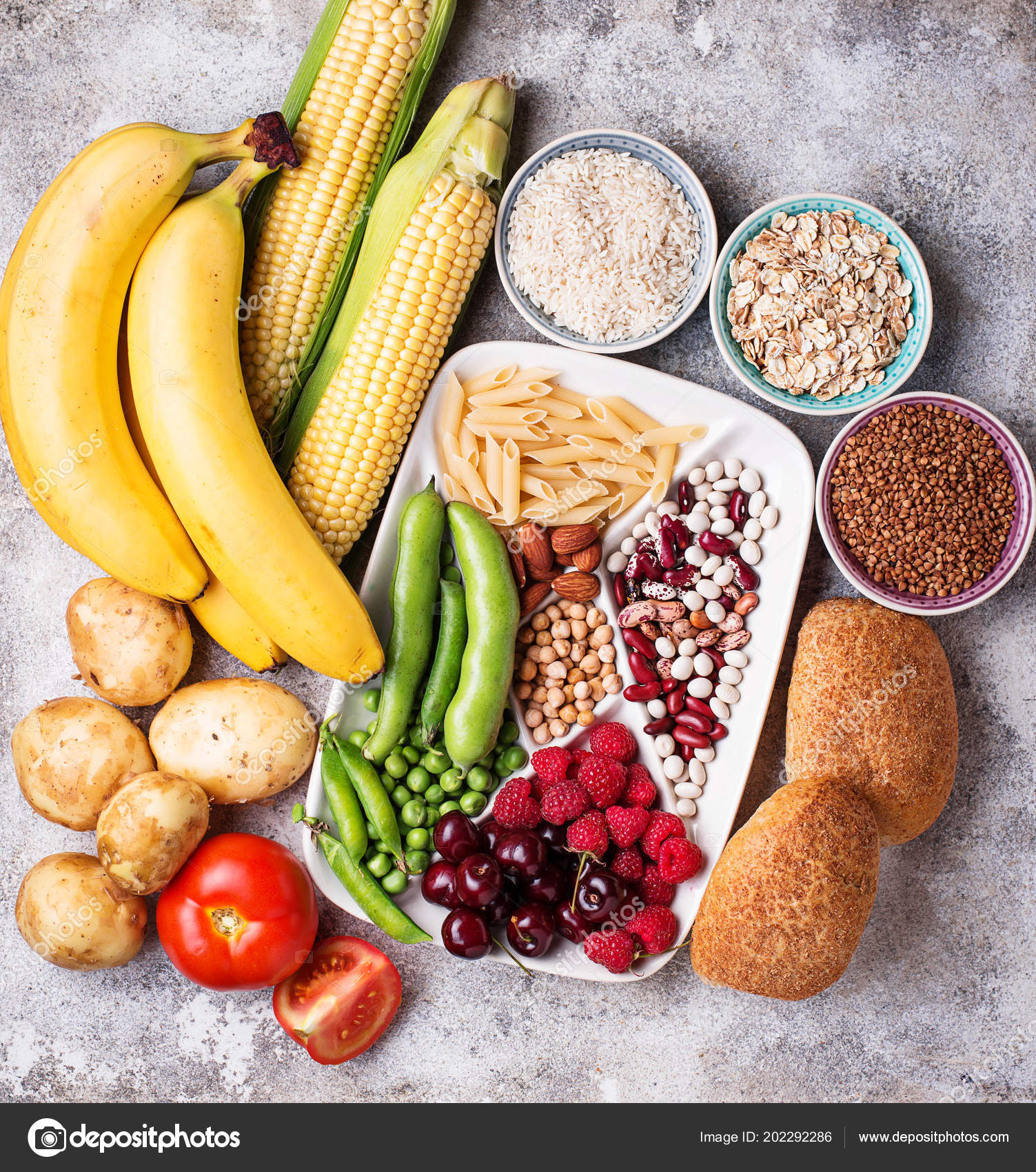
If evaluating food photography, the first consideration is composition. A well-composed shot draws typically the viewer's eye to be able to the subject although creating a feeling of balance. Search for strategic positionings of the main dish, as well as how components like negative space, props, and qualification enhance or discompose from the food itself. Effective utilization of lines, shapes, and colours can elevate a picture from simple in order to stunning, making structure a critical element in spotting high-quality food photography.
Lighting plays the pivotal role within how food is usually presented in images. Natural light has a tendency to bring out the richness of hues and textures, generally making dishes show up more appetizing. See how Food Photography West Yorkshire will be cast and shows are managed, as these factors can add more depth and dimension to the food. Photography enthusiasts who master lights techniques, whether by way of soft diffused sunlight or controlled artificial lighting, often produce images that stimulate a sense of freshness in addition to appeal.
Finally, attention to detail is critical in communicating the quality of food photography. Seek out clarity in textures, clarity of focus, plus the vibrant representation of colors. Factors for example glistening sauces, fresh herbs, or perhaps even steam soaring from a warm dish can recommend freshness and improve the visual flavor of the photo. In exceptional food photography, this info come together in order to create an image of which is not simply visually stunning nevertheless also mouthwatering, generating it easier in order to recognize great food imagery right away.
Key Methods for Captivating Photographs
Understanding food photography requires understanding and implementing various techniques that will elevate your photographs from mundane to mesmerizing. One involving the foundational approaches is the employ of natural light. Smooth, diffused light by a window produces an inviting environment and enhances typically the texture and color of the food. This type involving lighting avoids harsh shadows and overexposure, allowing the specifics to shine. Experimenting with the time of day may also produce an important difference; early morning or late day often provides the particular perfect warm hues that make food appear even more tantalizing.
Another technique will be composing the photo effectively. Use the control of thirds to be able to create a well-balanced image that draws the viewer's eye. Incorporating leading outlines or interesting sides can add dynamic elements towards the photograph. Don’t hesitate to obtain creative using the set up of the food and props; the way in which different elements interact within the body can tell an engaging story about typically the meal. A clutter-free background can help typically the dish be noticeable, generating it the focus of the graphic.
Finally, taking note of styling plus props can improve the overall attractiveness of food photography. Choosing the correct dishes, utensils, in addition to garnishes can add circumstance and richness to the shot. Consider using complementary colors and textures that harmonize with the food, creating an appealing visual experience. Little details just like a sprinkle of herbs or perhaps a drizzle associated with sauce can create a substantial big difference in making a picture feel more living and appetizing. These techniques, when combined thoughtfully, create photos that not simply capture flavor nevertheless also evoke a new deep craving in order to taste the meal.
Considering Food Photography with regard to Marketing
When selecting food photography for advertising, the first phase would be to assess the particular composition and design of the pictures. A well-composed taken should highlight the particular food item in a appealing manner, pulling the viewer's vision to key elements. Food Photography Leeds out thoughtful plating and arrangement that showcase the dish's textures and different shades. The use involving negative space can easily also improve the aesthetic impact, the food stand out more.
Up coming, consider the illumination utilized in the images. Natural light is frequently preferred, as this can create a soft and inviting look that enhances the food's freshness. Avoid pictures that appear extremely harsh or artificially lit, because these may detract through the general appeal. Focus on shadows and highlights, seeing that they should add depth and dimensions without being distracting. Fantastic food photography frequently captures the essence of the food while creating a warm, inviting ambiance.
Lastly, make sure that the photography aligns with the brand's identity and even message. The look, colours, and overall feel of the photos should resonate together with your target audience in addition to convey the qualities of the brand. Whether you are targeting a rustic, home-cooked vibe or a sleek, modern cosmetic, consistency is vital within creating a cohesive marketing strategy. Evaluating these aspects may help you pick food photography that not only looks delicious but also properly communicates your brand's story.